Paxton Launches Solo, a Phone-Based Access Control System
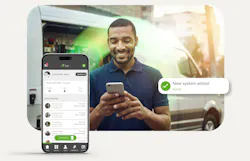
Paxton has unveiled Solo, a phone-based, cloud-hosted access control system designed to be created and managed entirely from a smartphone.
According to the company, Solo allows a user’s phone to function as both the system and the credential, using built-in biometric identification such as fingerprint or facial recognition to enable access without cards or fobs.
To support the launch, Paxton is offering 10,000 free Solo starter kits to security installers.
“Solo is different. It is the first system that fully utilizes the modern capabilities of a smart phone,” stated Adam Stroud, CEO of Paxton. “By doing so, it creates a step change to the architecture of modern security.”
Stroud added that the system represents “a complete re-imagining of how networked access control is achieved,” noting that the company wants installers to see and use the technology firsthand.
No network required
Solo combines the installation simplicity of a standalone system with the capabilities of networked access control. The system does not require an on-site data network, server or centralized PC, and is created and managed entirely through a smartphone.
Centralized administration, event reporting and real-time activity logs are available directly through the Paxton Solo app.
Installer feedback informed the development of Solo, according to the company. In Paxton surveys, 80% of installers expressed they want repeat business to be simple, indicating demand for solutions that support recurring monthly revenue (RMR) without added complexity.
The company said Solo costs a fraction of a traditional access control system and requires minimal hardware, enabling faster installations. Required components include a Solo DoorTag, Solo Controller, power supply, electronic lock and the Paxton Solo app.
“Solo is not the first cloud-based access control system; however, it takes the concept to a new level by making full use of cloud and mobile phone technology,” Stroud said. “By doing this, the equipment being installed can be dramatically simplified, while still providing flexible access control to the highest security standards.”
He added that the system’s service-based model provides installers with options for ongoing customer support.
Solo is suited for environments where traditional networked systems may be impractical, including small businesses, residential settings such as short-term rentals and student accommodation, healthcare environments such as clinics and care homes, gyms, lockers, bike storage facilities, gates, remote buildings and temporary installations.
The system is said to operate independently of a fixed on-site data network.
“Solo is designed to be installed independently of a customer's IT network,” Stroud explained. “The installation takes a fraction of the time required for a traditional system. Coupled with the highly competitive nature of Solo, this gives installers the ability to win more quotes, and the ability to install more systems without increasing the size of the team.”
The company worked with Pentest Partners to verify Solo’s cybersecurity. The system is said to have achieved IASME Level 1 and Level 2 certification prior to launch and also received UL IoT Cybersecurity Diamond certification.