Executive Q&A: Strengthening the Silent Backbone of Global Security
Key Highlights
- Regular audits of security hardware and wiring can prevent system failures during critical moments.
- Key checks include verifying backup power systems, door hardware alignment, and camera functionality in low-light conditions.
- Outdated power supplies and neglected batteries pose significant security risks; routine testing is essential.
- Conduct weekly or quarterly health checks to ensure access control panels and cameras are operational and recording properly.
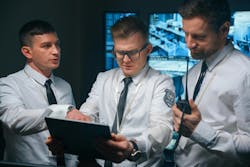
As a new fiscal year begins, many enterprises focus their scrutiny on balance sheets and headcounts, often overlooking the physical infrastructure that quietly powers daily operations. Security cameras, ceiling microphones, and access control systems are frequently "set and forget" assets until a critical failure occurs. Without proactive maintenance, these systems can become inefficient or create dangerous security blind spots.
In this exclusive Q&A, we sit down with Josh Vickery, CEO and Co-Founder of CSP Consultants Group, to discuss the importance of auditing AV and physical security environments. Vickery brings over 15 years of deep sector expertise, spanning distribution, contracting, and consulting. Currently leading global sales and vision for CSP, he specializes in helping global enterprises navigate the complexities of low-voltage systems. From identifying "invisible" camera failures to auditing the integrity of aging power supplies, Vickery outlines why a comprehensive year-end infrastructure check is the most vital resolution a security leader can make for 2026.
SecurityInfoWatch: What are the biggest security risks associated with outdated building infrastructure? How can regular checks reduce the risk?
Josh Vickery: When the core building systems are old, inconsistent, or poorly maintained, even the best access control setups and camera deployments can fail when needed most. Aging power supplies and circuits can’t reliably support modern security device loads, and older UPS units can have dead batteries, creating a false sense of redundancy.

Physical wear, such as worn hinges, warped frames, and loose strike plates, also reduces lock effectiveness, and old electrified hardware may draw inconsistent current or fail intermittently. Low-voltage wiring installed decades ago often doesn’t meet current standards for PoE, grounding, or shielding. Routine inspections can catch failing maglocks, loose strikes, doors that don’t close fully, corroded connectors, and weak power supplies. Addressing these issues early can prevent small problems from turning into major security failures.
SecurityInfoWatch: What are your top recommendations for infrastructure checks to improve building security?
Vickery: If the building's power is weak, unstable, or overloaded, cameras and access control systems can shut off without warning. To help prevent this, inspect door hardware and alignment, as misaligned doors or damaged locks are among the easiest access-control bypass points. Verify that backup power systems are functioning as intended and routinely test lockdown buttons and panic devices. You don’t want to discover a system failure during an actual emergency.
SecurityInfoWatch: What building infrastructure failures create the biggest security exposure for organizations today?
Vickery: Outdated or undersized power supplies and neglected battery backup systems pose the greatest security risks. These components are often unchecked for years, leaving operations vulnerable. Without regular testing and replacement, organizations can operate under a false sense of security, only to discover the issue during a power failure or break-in.
SecurityInfoWatch: What do you consider the baseline inspection program for organizations protecting people, assets, and operations?
Vickery: Ideally, organizations should conduct health checks weekly or, at a minimum, quarterly. System health checks should confirm that access control panels are online and that cameras are recording properly. Check battery levels on wireless sensors and UPS systems, and review audit logs for recent alarms or forced-entry events.
If an access control badge gets misplaced, don’t delete it from the system—disable it instead and flag it. If a bad actor attempts to use it to gain access, it will appear in the system, alerting the security team to monitor for an unauthorized individual.
SecurityInfoWatch: For global enterprises with distributed AV and physical security environments, what is the most effective year-end checklist for auditing system health, and why is this review best conducted at year-end?
Vickery: A comprehensive audit should go beyond verifying that systems are “on”; it should evaluate the actual performance, compatibility, and readiness for the year ahead.
- Firmware: Confirm versions across all devices, including cameras, microphones, and servers, to ensure uniform updates and mitigate vulnerabilities.
- Compliance: Verify that storage systems retain footage for the required duration and that network settings align with compliance standards.
- Integration: Review logs between AV, access control, and monitoring platforms for sync errors or downtime trends.
Year-end is ideal because it allows teams to benchmark performance, budget for replacements, and plan updates in line with fiscal cycles. It ensures hardware and cloud integrations begin the new year in a unified state.
SecurityInfoWatch: What “invisible” failures commonly occur in AV and security infrastructure, and how can organizations proactively identify them?
Vickery: Sometimes the live view works, but nothing is being saved. It’s easy to miss a recording issue at first glance. You must check the system regularly to ensure it is actually recording before an incident occurs. Also, check the IR function; a failed IR sensor can cause clear video during the day but an unusable picture at night. Pull the old video from the night before to ensure the camera is functioning in low light.
Furthermore, UV rays can slowly degrade camera dome covers. Be sure to replace discolored or cracking housings before the image quality becomes unusable. On the AV side, ceiling microphones or DSP units might lose interoperability after an untested IT policy change. To avoid surprises, run quarterly firmware checks and monitor core components monthly using system health software.
SecurityInfoWatch: How should contractors and facility leaders translate these findings into actionable 2026 upgrade plans?
Vickery: Priorities should be centered on life safety and compliance equipment, such as failing door hardware or cameras. Next, shift focus to end-of-life or outdated equipment; these items may be out of warranty or no longer supported, which can cause issues down the road.
From there, layer in user feedback to identify capability gaps. Sometimes, only select components need updating to modernize the experience without a full system overhaul. Finally, consider migrating your security devices to a unified platform; this will make asset inventory and life-cycle dates much easier to track and manage.
2026 Security Infrastructure Health Checklist
Strategic Focus: Power Integrity, Physical Alignment, and Digital Continuity
1. Power & Redundancy (The Foundation)
- UPS & Battery Health: Test all Uninterruptible Power Supplies (UPS). Replace any batteries older than 3 years or those showing "dead" status.
- Load Capacity Audit: Ensure existing power supplies can handle the current draw of modern, high-power PoE devices (e.g., 4K PTZ cameras, high-output IR).
- Backup Testing: Manually trigger a power cut to ensure security systems (cameras/access control) remain online without a reboot cycle.
2. Physical Entry Points (The "Invisible" Wear)
- Door Alignment: Inspect frames and hinges for warping. Ensure doors close and latch fully without manual assistance.
- Electrified Hardware: Verify that maglocks and electric strikes are pulling consistent current. Tighten loose strike plates.
- Lockdown & Panic Testing: Physically trigger every panic button and lockdown sequence to confirm the signal reaches the monitoring station.
3. Visual & Audio Intelligence
- Recording Verification: Go beyond the "Live View." Confirm that footage is actually being written to the disk and meets retention policies.
- Low-Light/IR Audit: Pull footage from 2:00 AM. Check for "hot spots," failed IR LEDs, or unusable graininess.
- Housing Integrity: Inspect outdoor camera domes for UV degradation (yellowing/cracking). Replace any that obscure image clarity.
- AV Sync: Test ceiling microphones and DSP units for interoperability following any recent IT or network policy updates.
4. Digital Hygiene & Compliance
- Firmware Synchronization: Ensure all cameras, codecs, and controllers are on a unified, stable firmware version to prevent "configuration decay."
- Credential Cleanup: Do not delete lost badges; disable and flag them. Review audit logs for any attempts to use these flagged credentials.
- Integration Logs: Review the "handshake" logs between your AV, access control, and VMS platforms to identify intermittent sync errors.
2026 Strategy: From Assessment to Action
Josh Vickery suggests a Tiered Upgrade Path for your findings:
- Tier 1: Life Safety. Immediately fix failing door hardware or "blind" cameras.
- Tier 2: End-of-Life (EOL). Budget for equipment that is out of warranty or no longer supported by the manufacturer.
- Tier 3: Platform Unification. Plan the migration of standalone devices to a unified management platform to enable easier tracking in 2027.
About the Author
 Steve Lasky
Steve Lasky
Editorial Director, Editor-in-Chief/Security Technology Executive
Steve Lasky is Editorial Director of the Endeavor Business Media Security Group, which includes SecurityInfoWatch.com, as well as Security Business, Security Technology Executive, and Locksmith Ledger magazines. He is also the host of the SecurityDNA podcast series. Reach him at [email protected].