ACLU Settlement Curbs Code Enforcement Drone Surveillance in California
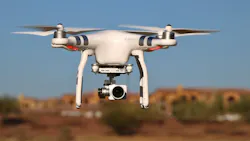
Sonoma County, Calif., has agreed to restrict how its code enforcement division uses drones to investigate private property, resolving a privacy lawsuit brought by the ACLU Foundation of Northern California on behalf of three county residents.
Under the settlement, the Code Enforcement division of Permit Sonoma must generally obtain either a warrant or consent from a property owner, tenant or resident before using a drone to fly over, monitor or record a private home or its “curtilage,” the area immediately surrounding the residence. The agreement allows warrantless surveillance in emergency circumstances and permits officials to continue monitoring open fields without first obtaining a warrant or consent.
The Sonoma County Board of Supervisors approved the settlement, which provides $50,000 to each of the three plaintiffs, according to The Press Democrat. The county denied the lawsuit’s allegations and admitted no liability or responsibility as part of the agreement.
In a press release, the ACLU characterized the settlement as a significant privacy protection. “Today’s settlement agreement will protect everyone’s right to privacy in and around their homes,” said Nick Hidalgo, a senior attorney with the ACLU of Northern California. “For too long, the county concealed these unlawful searches from the people they spied on, the community, and the media.”
The lawsuit was filed in June 2025 by the ACLU Foundation of Northern California and O’Melveny & Myers LLP. It alleged that Permit Sonoma’s use of warrantless drone surveillance violated privacy and protections against unreasonable searches under the California Constitution.
Drone program expanded beyond cannabis enforcement
Sonoma County, located north of San Francisco, began using drones equipped with cameras and zoom lenses in 2019 to investigate illegal cannabis cultivation, according to the lawsuit and reporting by the Los Angeles Times when the case was filed.
The ACLU alleged that the program subsequently expanded without adequate public disclosure to other code enforcement investigations. By June 2025, county officials had used drones more than 700 times to investigate suspected violations on private property without first obtaining warrants, the Los Angeles Times reported.
Nearly half of the county’s drone flights in 2024 involved matters unrelated to cannabis, including unpermitted construction, junkyard conditions and zoning violations, according to data cited in the complaint. The lawsuit also alleged that county policy evolved from requiring a complaint before a drone could be deployed to allowing what the complaint described as “discretionary proactive investigations.”
The Press Democrat reported that the plaintiffs calculated drone surveillance resulted in more than $3 million in fines levied by Permit Sonoma’s Code Enforcement division between October 2020 and 2024.
The lawsuit centered on three residents who said drones had intruded on areas of their properties where they expected privacy. Nichola Schmitz, who is deaf, alleged that she did not know a drone was flying over her rural property in October 2023 until a worker pointed it out. She subsequently received notices alleging code violations, according to the Los Angeles Times.
Plaintiff Suzanne Brock alleged that county officials obtained aerial photographs that included an outdoor bathtub and shower used by her and her daughter. Benjamin Verdusco alleged that the county photographed his backyard in 2021. The settlement does not affect the underlying code enforcement investigations involving the plaintiffs, The Press Democrat reported.
Settlement establishes drone surveillance guardrails
The agreement establishes several restrictions on future code enforcement drone operations.
Permit Sonoma Code Enforcement must generally obtain an inspection warrant before using a drone to monitor or record a home or its curtilage unless a resident consents or emergency circumstances apply. Open fields may still be monitored without a warrant or consent. Images of a home or curtilage incidentally captured while monitoring open fields must be blurred or otherwise redacted before public distribution, according to the settlement.
The agreement also limits the use of drone evidence in criminal proceedings. If code enforcement officials have reason to believe drone-gathered information could support criminal enforcement, they must seek a warrant based on probable cause. Potential misdemeanor or infraction cases also cannot be referred to the district attorney based solely on code enforcement drone evidence without a probable-cause warrant or applicable warrant exception.
Drone imagery generally must be deleted within 30 days unless it is part of an ongoing code enforcement investigation or the county is otherwise legally required to retain it. Permit Sonoma also must notify owners or residents when their private property has or may have been subject to drone surveillance.
The county agreed to provide drone flight logs to attorneys for the plaintiffs at the ACLU Foundation of Northern California every six months for two years.
Permit Sonoma must also develop a revised drone-use policy through a public process. Department Director Scott Orr told The Press Democrat that the agency expects to bring a policy proposal to the Board of Supervisors for approval next year.
Sonoma County Board of Supervisors Chair Rebecca Hermosillo told the newspaper that she understood why code enforcement officials began using drones given the rural nature of some properties but said clearer limits were needed.
“We need guardrails for this,” Hermosillo said.
At the time the lawsuit was filed, California did not have a state law specifically regulating drone use by code enforcement agencies, according to the Los Angeles Times. The Sonoma County settlement does not prohibit Permit Sonoma from using drones for inspections, but it establishes new boundaries around where surveillance can occur without judicial authorization, how drone imagery can be retained and used and what notice and public oversight must accompany the technology.
About the Author
 Rodney Bosch
Rodney Bosch
Editor-in-Chief/SecurityInfoWatch.com
Rodney Bosch is the Editor-in-Chief of SecurityInfoWatch.com. He has covered the security industry since 2006 for multiple major security publications. Reach him at [email protected].