From Sandy Hook to Silver Rail: School Security Lessons Revisited
Key Highlights
-
The Silver Rail and Sandy Hook shootings highlight the vulnerability of locked school entrances with glass panels to gunfire.
-
Comprehensive security assessments and layered protection can help schools identify and address weaknesses in campus access control.
-
Security film, controlled access and coordinated emergency preparedness can help delay unauthorized entry and strengthen school defenses.
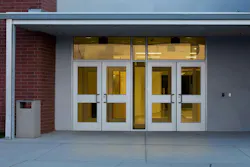
On October 15, a 16-year-old fatally shot three children, ages 5, 8 and 11, and a teacher at Silver Rail Elementary School. A 7-year-old student and a 54-year-old teacher were critically injured and taken to a medical center for treatment.
Another school shooting is in the news, but sadly, we are still being reactive rather than proactive. Until we seriously embrace a collaborative, proactive approach, we will continue to see the high numbers of deaths and injuries associated with school shootings.
According to Everytown for Gun Safety data updated in August, gunfire on school grounds has resulted in 27 deaths and 43 injuries from 78 total incidents nationally.
The shooting raises numerous questions, including whether it could have been prevented.
According to the school district, Silver Rail Elementary School had implemented multiple security measures, including secure entry vestibules, photo ID checks, visitor screenings, indoor and outdoor security cameras and upgraded classroom door locks that can be secured from the inside.
Based on years of experience in school security and responding to active-shooter incidents, I believe such incidents will continue to occur unless school administrators make security a priority through proactive planning and preventive measures, rather than responding only after an event has taken place.
In the coming weeks, media coverage will likely address politics, gun control and mental health. Although these are important issues, school administrators should also prioritize physical security measures to help ensure a safe learning environment for students and teachers.
From security assessments to stronger defenses
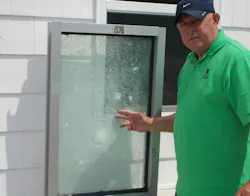
Before taking any action or spending money on security, one of the most important steps school board members and school administrators can take is to request a campus security review from a qualified school security expert who can identify vulnerabilities such as glass doors and windows and develop a comprehensive security plan.
The results of these assessments provide the foundation for developing a course of action, a strategic plan and a budget. Any plan will undoubtedly include security technology, but no single measure will protect a school; true protection comes from multiple layers of security protocols and processes.
I strongly recommend implementing a controlled-access campus policy immediately to prevent unauthorized entry. All campus doors and windows should be reinforced with professionally installed safety and security film.
If an armed person shoots at a glass door or window, security film can help keep the shattered glass in place, slowing unauthorized entry. Such a delay can give school administrators additional time to begin lockdown procedures and secure the campus until emergency responders arrive. All entry, exit and classroom doors should remain locked and monitored throughout the day.
Parallels to the Sandy Hook shooting
The December 14, 2012, Sandy Hook Elementary School shooting and the October 15, 2026, Silver Rail Elementary School shooting share several chilling parallels.
Both events involved shooters targeting elementary schools they had previously attended and breaching security by firing through glass at locked exterior entry points.
The comparison between the two tragedies highlights a critical vulnerability in school security: shattering glass can allow an attacker to bypass conventional perimeter locking systems. Glass doors and windows can be among the weakest points of entry into a school, allowing determined attackers to gain access by shooting through them.
At Sandy Hook, the attacker gained entry by shooting through glass near the school's main entrance. At Silver Rail, the gunman reportedly climbed a perimeter fence near the playground before firing through the glass panes of locked exterior double doors to gain entry.
Although the entry points differed, both incidents demonstrate how an attacker can circumvent conventional access controls by breaking through glass.
While these doors effectively keep out unauthorized visitors under normal circumstances, they offer virtually zero resistance against gunfire, giving attackers immediate access to the building's interior within seconds.
Shooting through glass at exterior entry points can allow attackers to breach a school's perimeter before personnel can successfully initiate or complete a lockdown, potentially leaving staff and students exposed.
In both instances, the primary firearms used by the perpetrators were legally purchased by their mothers, and the attacks primarily targeted young students.
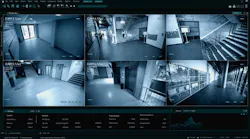 Video surveillance systems provide an added layer of protection in schools, helping administrators and law enforcement monitor activity and respond quickly to potential threats.
Security beyond locked doors
Physical security alone cannot prevent every act of violence. Effective prevention also requires layered protection, attention to warning signs, coordinated threat assessment and safe reporting channels for students, educators and families.
I support the presence of school resource officers, complemented by additional threat-assessment counselors in schools. However, I will continue to emphasize the need for a thorough risk assessment by a school security expert and for securing all entry and exit points.
There is no way of predicting where the next school shooting will occur, but school administrators can and must be prepared to take preventive measures to mitigate shootings and protect their students, staff and visitors.
I extend my deepest condolences to everyone in the school, community and to all those affected. I also commend the school staff, law enforcement officers and emergency personnel for their rapid response.
About the Author
 Patrick V. Fiel, Sr.
Former Executive Director of Security for Washington, D.C. Public Schools
Patrick V. Fiel Sr. is the founder of PVF Security Consulting. He has over 40 years of experience managing law enforcement and security organizations. He served as executive director of security for Washington, D.C., Public Schools and has worked with thousands of schools to provide security services and solutions.