When Executive Misconduct Tarnishes a Company’s Reputation
Key Highlights
- Executive misconduct can cause rapid and severe damage to a company's reputation, affecting client trust, market value, and prospects.
- Implementing a comprehensive crisis response plan, including verification, communication, and stakeholder engagement, is essential for effective reputation management.
- Regular monitoring of leadership behavior and establishing escalation procedures help detect issues early and prevent them from escalating into full-blown crises.
- Transparency, swift action, and clear communication are critical in maintaining stakeholder confidence during reputational crises.
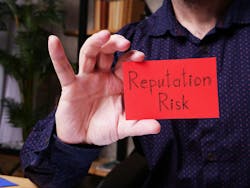
Executives expect employees to behave in ways that safeguard the company’s reputation. It is a fair expectation and is tied directly to the value of corporate reputation, customer brand perception, and confidence in a company and the services and solutions it provides.
How much is a company’s reputation worth? In 2024, the reputations of S&P 500 companies on both sides of the Atlantic, according to Echo Research, were worth $11.9 trillion, or 28% of their total market capitalization. Smaller companies are likely to be no different.
Employees who bring their company into disrepute are often shown the door quickly. But what happens when it is the chief executive or a member of the C-suite whose actions put the organization itself under the microscope and risk its reputation?
The broader security industry, built on trust and discipline, has been a fertile ground for such challenging issues. Several recent incidents underscore how reputational damage can spread rapidly when misconduct originates from the top.
The following cases, drawn from media reports, illustrate how executive behavior can significantly impact the fortunes of entire firms. While names are omitted here, all remain innocent until proven guilty. My company does not represent any of these companies or their competitors.
Cyber Breach and Broken Trust
In one case, the chief executive of a cybersecurity firm was charged under computer crimes legislation after allegedly installing malware on a hospital’s computer system without authorization. Investigators stated that the software captured screenshots every 20 seconds and transmitted them to an external server controlled by the executive.
The intrusion was discovered quickly by hospital staff, who activated and implemented their crisis plan. The institution promptly disclosed the incident in real time, assured patients that no patient data had been compromised, and provided transparency throughout the investigation. The incident response was professionally managed.
The damage, however, was already done for both the executive and the firm involved. For a cybersecurity company, credibility rests on a foundation of trust, confidentiality, and expertise. The perception that its own leader had attacked a hospital was catastrophic. Even without a conviction, the optics raised insurmountable questions about the company’s values and reliability.
Clients defected. Prospects evaporated. The brand, once tied to technical excellence, became synonymous with scandal. Rebuilding from such a breach of trust is almost impossible.
Internal Fraud in Plain Sight
In early 2025, a former executive of a global security provider pleaded guilty to embezzlement. Prosecutors alleged that the executive created a false employee record for a romantic partner, channeling more than $250,000 in salary over five years. The individual also allegedly misused corporate funds for personal travel.
The scandal raised uncomfortable questions. If a company entrusted with protecting physical and digital assets cannot prevent fraud within its own ranks, how can clients expect it to safeguard theirs?
Yet the case also illustrated a nuance in reputational fallout. Unlike an external breach, internal misconduct can allow a company to present itself as a victim rather than the perpetrator. Once the executive was charged, the firm emphasized its compliance protocols, distanced itself from the individual, and correctly reminded clients of corrective steps taken.
The reputational harm was real, but the recovery path was more straightforward. The individual’s career in the industry, however, was over.
A Guarding Firm Under a Cloud
In another case, the chief executive of a security guarding company was charged with aggravated assault with a deadly weapon and tampering with evidence. Surveillance video appeared to show a relative and business associate apparently removing a firearm from the scene after the incident; both were later charged with felonies of their own.
The reputational harm was real, but the recovery path was more straightforward. The individual’s career in the industry, however, was over.
For an executive in the security sector, association with violent conduct is especially damaging. Guarding companies market professionalism, restraint and reliability, and these are values that collapse under the weight of such allegations.
The security guarding company’s clients faced a critical question: could they entrust safety to a company led by someone facing charges of violent behavior? Even before trial, reputational damage can bleed into contracts, renewals, and bids. The stigma lingers, often longer than any legal process. If your customer starts to lose faith in your company, your customer retention ability weakens.
When Boardrooms Spill into Public View
Reputational crises are not always born of crime. Sometimes governance disputes play out in the open, dragging brands into chaos.
A cybersecurity firm’s chief executive filed suit against board members representing major investors, accusing them of blocking critical financing and leaving the company teetering on insolvency.
The dispute spilled into the public eye through court filings and media coverage. The fallout was immediate: a collapsed transaction, resignation of the chief executive, and growing unease among customers and partners.
For companies selling trust and security, public dysfunction can be as damaging as criminal charges. Instability at the top signals risk to clients, triggers defections and creates reluctance among future prospects. Governance failures are reputational failures when they become a spectacle.
Building a Framework for Protection
The fallout from executive missteps can be managed, but only if companies embed a framework of preparation and accountability. Seven measures stand out.
1. Verify the facts.
An independent investigation into any allegation against a member of a company’s C-suite is essential. Allegations must be scrutinized by outside counsel or investigators to ensure objectivity and to maintain trust. Results should be proactively shared transparently with stakeholders to reinforce corporate credibility.
2. Activate crisis protocols.
Every firm should maintain an updated crisis communications playbook outlining roles, responsibilities and backup plans. Clear escalation channels prevent paralysis and ensure that legal, communications and operational leaders work in concert. Suppose a company does not have a crisis communications plan in place. In that case, it will respond reactively to a critical incident, further risking its brand and reputation.
3. Communicate early and often.
Issuing a holding statement as soon as allegations surface sets the tone and helps manage stakeholder expectations. Frequent updates, including outcomes of investigations, will help to limit speculation. Employees must hear from leadership before they hear from the press.
4. Separate the executive from the institution.
Boards should swiftly suspend or replace implicated leaders. Distinguishing personal misconduct from the corporate entity preserves continuity and signals commitment to integrity. Removing the implicated individual by placing them on leave or suspending them from work until an investigation has been completed will send a strong message and help maintain some level of trust.
5. Engage stakeholders directly.
Investors, regulators, customers and employees should receive tailored communication. This could include earnings calls, client briefings, and direct regulator outreach, which would reassure them of corporate stability. Silence invites erosion of confidence and fuels the rumor mill.
The media are also stakeholders. Proactively communicating with them is key, but it is situation-dependent on the severity and specifics of the issue at hand. Incidents in the public domain would necessitate pre-emptive communication.
6. Build long-term resilience.
Crisis planning cannot be episodic. Annual scenario drills, leadership succession reviews and ethics training should be embedded into governance. A culture of accountability at the C-suite level builds credibility over time.
7. Monitor leadership behavior.
Executive actions must be monitored across financial dealings, regulatory compliance, and corporate conduct, communications and governance. Behavior of a personal nature that becomes public or could potentially become public and is likely to bring the company’s brand and reputation into disrepute must also be monitored and acted on if necessary.
Part of the monitoring process could include regular audits of executive behavior and conduct, external ethics reviews, or the establishment of whistleblower hotlines to provide early warning systems.
Escalation procedures in place would ensure that concerns reach the board without obstruction.
Why Reputation Is the Ultimate Asset
A reputation is a company’s most valuable intangible asset—and its most fragile. It cannot be insured against, nor can it be easily rebuilt once shattered.
When executives falter, companies that act quickly and transparently can preserve trust, even amid scandal. Those who hesitate risk seeing their brands defined not by products or services, but by the failures of their leadership.
Swift, structured response is no longer optional. In an era of instantaneous news cycles, social media amplification, and rising stakeholder expectations, reputational resilience must be treated as a core discipline of corporate governance.
The lesson is clear: No company is immune to its executives' missteps. But those that prepare, respond and uphold values beyond any one leader have the best chance of emerging with their reputations intact.
Remember Warren Buffett’s wise words when he testified before the House Commerce subcommittee regarding a major scandal involving illegal activities at investment firm Salomon Brothers, in which he was an investor.
"Lose money for the firm and I will be understanding. Lose a shred of reputation for the firm, and I will be ruthless," he said.
The Ripple Effects of Executive Misconduct
When a senior executive brings a company into disrepute, the impact radiates across nearly every constituency:
- Markets react first. Publicly traded firms often face immediate share-price pressure as investors seek to mitigate their exposure.
- Brands weaken. The CEO is the face of the company; their actions often become inseparable from the organization’s identity.
- Media scrutiny intensifies. Scandals tied to leadership rarely vanish after a single news cycle. Negative stories can persist for months or years.
- Employees lose faith. Internal morale suffers. Workers question leadership ethics, disengage, or leave to protect their own reputations.
- Productivity declines. Distrust and disengagement can lead to lower productivity across the organization.
- Clients reassess. Customers and partners may sever ties, as they are unwilling to risk association with a troubled brand.
- Investors step back. Scrutiny increases, and access to capital narrows as institutional investors hedge risk.
- Regulators step forward. Industry bodies may begin their own review of the incident. This could attract additional media scrutiny.
The chain reaction following an incident is often more damaging than the incident itself.
About the Author
 Evan Bloom
 Evan Bloom
CEO of Fortress Strategic Communications
Evan Bloom is the CEO of Fortress Strategic Communications, a public relations consultancy focusing on physical security, law enforcement, homeland security, public safety, and enterprise risk management. He is an expert at advising companies that cannot mention the names of their clients in the media and devising PR campaigns linked to breaking news and market issues. Contact Evan at [email protected]