Security Integrators Can’t Afford to Treat RMR as ‘Mailbox Money’
Key Highlights
- Recurring revenue requires integrators to demonstrate ongoing value beyond the initial installation.
- Cloud-connected systems can help identify changing customer needs and opportunities for additional services.
- Early manufacturer involvement can help resolve technical challenges before equipment is installed.
Security integrators have spent years building businesses around winning projects, installing systems and moving on to the next job. As more integrators add recurring services to their offerings, however, that familiar approach presents a different challenge: maintaining meaningful customer relationships long after the installation is complete.
It’s a challenge Hans Kahler has been hearing about directly from security integrators.
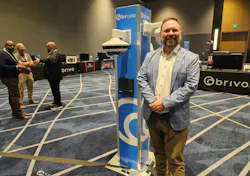
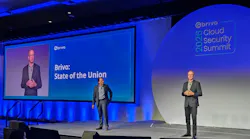
In an interview with SecurityInfoWatch during the 2026 Brivo Global Cloud Security Summit in Arlington, Texas, Kahler, Brivo’s new chief customer officer, said conversations with resellers repeatedly returned to the difficulty of staying connected with existing customers and making sure they’re getting value from their systems.
For many integrators, he explained, customer contact has traditionally been driven by service problems or requests for additional equipment.
“Sell it, install it, move on to the next one, sell it, install it,” Kahler said, describing the longstanding project-oriented approach.
That approach becomes more difficult to sustain as integrators expand their recurring revenue businesses. Customers paying for ongoing services expect continuing value, something Kahler believes integrators must demonstrate long after installation.
“You need to earn it now,” he said.
Moving beyond the installation
While recurring revenue is hardly new to the security integrators, Kahler sees a distinction between collecting ongoing payments and actively ensuring customers receive value from their systems.
Kahler said the practice of “making sure the customer’s getting the value out of their product” represents a relatively new approach for many integration firms.
He acknowledged that larger integrators may already have dedicated personnel managing customer relationships. For many others, establishing a more deliberate approach to customer engagement represents a departure from the traditional project-based business model.
Kahler recalled an earlier approach to recurring revenue, particularly in intrusion alarm monitoring, when some providers viewed monthly payments as income requiring little additional customer engagement. In some cases, he suggested, there was even a reluctance to contact customers for fear of prompting cancellations.
He contrasted that historical mindset, sometimes associated with the term “mailbox money,” with the expectations surrounding today's recurring services, where integrators must continually demonstrate value to their customers.
“I think you need to earn it now,” Kahler said.
One summit attendee told Kahler that a session on customer success had convinced him to establish that function within his integration business. The reseller already had someone in mind for the responsibility.
Kahler emphasized that integrators collecting recurring payments need to demonstrate their own value, separate from the technology manufacturers provide.
“They want service, they want support, they want to get continuous value,” he said.
That value might come through a service contract or periodic contact to ensure customers’ needs are being met.
Kahler noted that some end users have contacted Brivo because they no longer knew whom to call at their integration company, sometimes because their original contact had left.
“I would say the relationship with that end user is probably more important than it has been historically, especially if you’re selling recurring revenue products,” he said.
Staying connected to customer needs
Customer requirements can change considerably after a security system is installed, creating opportunities for integrators to provide additional services or adapt existing deployments. Recognizing those changes, however, requires understanding what’s happening at customer locations rather than waiting for another equipment order or service request.
Kahler said cloud-connected security systems can help integrators maintain that visibility by showing whether customers are using their systems or equipment has gone offline.
He described an integrator working with a customer that operated hundreds of locations. When 10 cameras at one site went offline, the integrator contacted the customer and learned the facility had closed.
The integrator’s inquiry went beyond the equipment outage, opening a discussion about whether the customer was relocating and whether the cameras could be redeployed elsewhere.
Kahler praised the integrator for monitoring the alerts and taking the initiative to contact the customer, using an equipment outage to better understand the customer’s changing needs.
“And that kind of awareness goes a long way,” he said.
Bring manufacturers into the conversation earlier
Kahler also encouraged integrators to involve manufacturers earlier in complex projects, particularly when an application requires an unusual configuration or presents technical challenges.
He said manufacturers sometimes become involved only after equipment has been purchased or installed, or after an integrator has established customer expectations that prove difficult to meet.
Some integrators have historically been reluctant to introduce manufacturers directly to customers, fearing the manufacturer might take the business.
Kahler said manufacturer sales engineers can review customer requirements and develop prototypes to determine whether an unusual application will work.
During the summit, an attendee asked whether a Brivo executive could help close a project. Kahler welcomed the request, saying the company had personnel available to meet with customers early in the sales process.
“A little bit of planning, a little bit of testing can go a long way for a successful project,” Kahler said.
About the Author
 Rodney Bosch
Editor-in-Chief/SecurityInfoWatch.com
Rodney Bosch is the Editor-in-Chief of SecurityInfoWatch.com. He has covered the security industry since 2006 for multiple major security publications. Reach him at [email protected].